
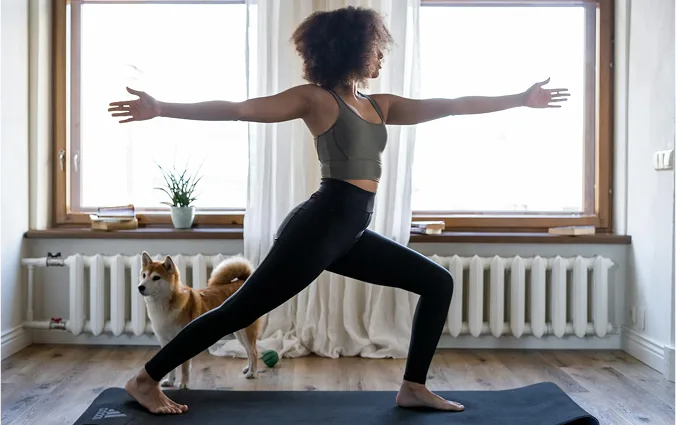
Period and sports – is it possible? You may be tempted to skip workouts when you’re on your period, especially if you’re experiencing period cramps/pain or are worried about discomfort. This article highlights what activities are worth doing, what to avoid, and how to approach physical exercise in a mindful way that aligns with your body’s needs while you are on your period.
01 Should you exercise during menstruation?
Menstruation is a natural physiological process that doesn't mean you have to avoid physical activity — as long as it's done wisely. In fact, exercise during menstruation can offer benefits: from reducing pain and muscle tension to improving mood through the release of endorphins and alleviating fatigue and discomfort. Movement can also support better circulation, which can help reduce swelling and feelings of heaviness.
However, you should always consider your individual needs and sensations. If your body signals the need for rest, it’s important to honour that. If you experience mild discomfort, Gentle activities such as yoga, stretching, or walking can be excellent choices.
Check it out: Master Your Menstrual Cycle Programme
02 The impact of exercise on menstruation
Regular physical activity during periods can bring a range of benefits to your health and well-being. How to cope with menstrual pain and cramps? Exercise promotes the production of endorphins – the "happiness hormones" – which act as natural pain relievers. As a result, gentle exercise can effectively alleviate menstrual pain and reduce muscle tension, particularly in the pelvic area, lower back, and thighs. Improved blood circulation in these areas further helps to relieve discomfort.
Additionally, movement helps reduce lower abdominal bloating, alleviates the feeling of heaviness, and boosts mood, providing relaxation and reducing irritability or insomnia. Even moderate forms of activity, such as walking, yoga, or cycling, offer a natural way to ease many common menstrual discomforts.
Exercise and movement not only provide relief but also improve overall physical fitness by strengthening the heart, lungs, and circulatory system. This can make it an excellent tool for supporting both physical and mental well-being during your period.
03 Exercise during menstruation — what to do?
During menstruation, it’s essential to select exercises that promote both comfort and symptom relief. The right activity depends on your individual needs and health condition, but there are proven forms of movement that particularly benefit the body. What Are the Best Exercises for Your Period?
Stretching for menstrual cramps
Yoga and Pilates are excellent forms of exercise during period. Performing poses such as Child’s Pose (Balasana), Cobra Pose (Bhujangasana), or Butterfly Stretch can help relax tense abdominal and pelvic muscles, reduce cramps, and improve blood flow. It’s also worthwhile to explore three key stretching exercises for menstrual cramps — they also have a calming effect on the nervous system, which is especially important for irritability or fatigue.
Walking and running during menstruation
Outdoor walks improve circulation, oxygenate the body, and promote the release of endorphins. If you feel up to it, light, low-intensity running can further energise the body and improve your mood.
Swimming during menstruation
Water can help to reduce the feeling of heaviness in the lower abdomen while relaxing the muscles and joints.
It is essential to use appropriate period protection. Tampons work very well in water, however, it’s important to replace them just before and immediately after swimming.
Low-intensity cardio
Gentle and low-intensity cardio exercises like cycling, cross-trainer workouts, or light treadmill training can effectively relieve menstrual pain and support cardiovascular fitness. However, it’s important to keep cardio sessions short (up to 40 minutes) and moderate in intensity.
Light strength training during menstruation
Gentle strength exercises using light dumbbells, resistance bands, or your body weight are a great way to maintain fitness during your period. Focusing on upper body strengthening or balance exercises can be just as effective as more intense workouts, which can be scheduled for a later phase in your cycle.
Breathing exercises
Stretching is not only a way to improve muscle flexibility but also an effective relaxation method. Adding breathing exercises, such as deep diaphragmatic breaths, helps release body tension and reduce stress, which is particularly helpful in managing menstrual discomfort.
04 Exercising during period – what to avoid?
Although physical activity during menstruation can offer many benefits, not all types of exercise are appropriate. Listen to your body’s signals and follow any medical advice, especially if you experience heavy bleeding or intense pain. In such cases, consider adjusting your workout plan to avoid overburdening your body.
During menstruation, avoid:
- High-intensity cardio workouts, such as sprints, long-distance runs over 10 km, or fast-paced cycling. These can intensify bleeding and increase lower body tension, leading to more discomfort.
- High-intensity interval training (HIIT).
- Exercises that heavily engage abdominal muscles, such as sit-ups or planks, which can worsen menstrual symptoms.
- Jumps, for instance, during intense aerobics, as they may intensify bleeding and overstrain the muscles.
- Heavy weightlifting or other demanding strength training in the gym.
Every woman is different - what works for you may not be suitable for a friend. Adjusting your workouts to your own needs is essential during the menstrual cycle.