

Urinary incontinence occurs when urine is involuntarily leaked from the bladder. This can range from little leaks to the full bladder emptying. There are many different types of incontinence, and one of them is mixed incontinence. While it can be an unpleasant experience, mixed incontinence doesn’t need to rule your life. The good news is that it doesn’t need to put a downer on your lifestyle.
What is mixed incontinence?
Incontinence comes in three main types: stress, urge and overflow. If you have a combination of any of two of these types of incontinence, this is known as mixed incontinence.
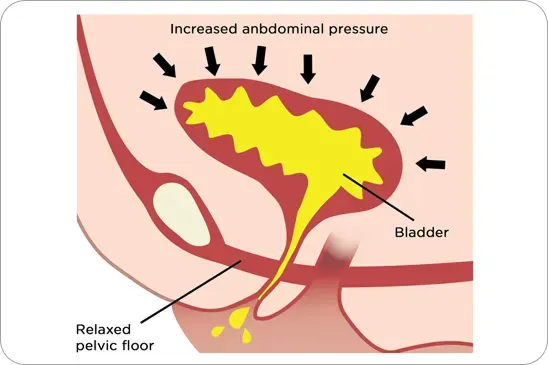
Stress incontinence is the result of a weakened pelvic floor – the system of muscles, ligaments and nerves that support your bladder, uterus and anus while helping to control the urinary sphincter, which is responsible for closing off the bladder and regulating urine flow. The pelvic floor can become weakened by things like childbirth or being overweight. As a result, urine leaks out when pressure – or stress – is exerted on the pelvic floor during everyday activities like sneezing, coughing, laughing or exercise.
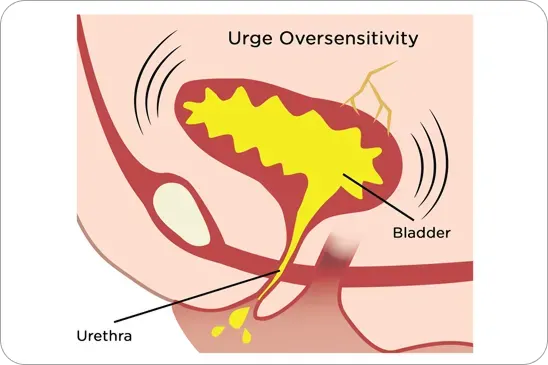
Urge incontinence, also known as overactive bladder, is the result of nerve or muscle damage in the bladder tissue. This causes involuntary spasms in the bladder that create a sudden and intense urge to urinate. You may or may not make it to the toilet on time. You may even feel a strong urge to go even when there is no urine in your bladder.
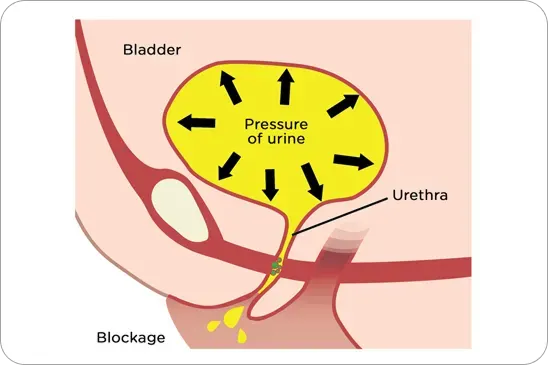
Overflow incontinence is the result of a bladder that cannot fully empty due to an obstruction - such as a tumour, polyp, urinary stone or muscle weakness. Pressure from an overly full bladder creates a constant dribble of urine, even though you may not feel the urge to go. Overflow incontinence is the only type of incontinence more common in men than in women.
The most common type of mixed incontinence among women is a combination of stress and urge incontinence.
Many women experience incontinence – in fact, more than you may think. Some 1 in 3 women over the age of 35 are often facing some form of incontinence. So, you’re in good company.
Symptoms
Because mixed incontinence is typically a combination of stress and urge incontinence, it shares symptoms with both.
The main symptom of stress incontinence is leaking little spurts of urine as a result of everyday activities such as:
- Laughing
- Sneezing
- Coughing
- Exercise
- Lifting objects or bending over
- Standing up or getting out of the car
- Sex
Urge incontinence symptoms include:
- Increased urination frequency – more than 8 times a day
- Waking up in the middle of the night 2 times or more to urinate
- Sudden, intense urges to urinate, whether or not your bladder is full
- Urinary urges that come on so strong that you may or may not be able to make it to the toilet
If you experience a mix of symptoms from these two lists, you likely have mixed incontinence.
Causes
Just like mixed incontinence shares symptoms with urge and stress incontinence, it also shares causes with them.
Urge incontinence is caused by damage to the nerves of the bladder, the nervous system, or the bladder tissue itself. It is also caused by menopause. This is typically a result of previous pelvic surgery, such as a C-section, or a neurological disease such as Parkinson’s or multiple sclerosis. Urinary tract infections can cause temporary urge incontinence, but this most often resolves itself as soon as the infection clears up.
Stress incontinence is caused by a weakened pelvic floor, to the extent that everyday activities that put pressure on the pelvic floor cause a small amount of urine to leak from the bladder. Common life events like pregnancy, childbirth, and being overweight all weaken the pelvic floor so that it no longer properly supports the bladder. Stress incontinence has nothing to do with experiencing emotional stress in your life.
Risk factors such as thyroid problems, untreated diabetes, stroke, smoking, and even certain medications can worsen symptoms of incontinence.
Treatments and remedies
Living in fear of a bladder leak is no fun. It is very easy to let bladder concerns dominate your day-to-day thoughts, and ultimately, your life. However, this need not be the case. Far from it! There are many products and tools at your disposal to use as mixed incontinence treatments and to keep living life as normal. Adopting the proper treatment and management plans will put you on the road to success. Mixed incontinence treatments draw on treatments for both stress and urge incontinence.Here are some tools to put in your mixed incontinence treatment arsenal:
-
Adopt a toilet schedule
Maintaining a toilet schedule can help ease some of the urgency of urge incontinence. Start by urinating once an hour, whether or not you have the urge to go. Once you feel comfortable with this schedule, start increasing the time between toilet visits. Training your bladder in this way can help strengthen your bladder tissue, as well as bring a level of predictability to your toilet needs. -
Change your diet
Avoid foods that make your urine more acidic, as acid will aggravate an already sensitive bladder. This means ditching caffeine and saying no to alcohol. Foods like citrus fruit, chocolate and spicy foods are also bladder irritants. It’s best to avoid them. -
Shed some weight
Getting rid of extra pounds can go a long way in alleviating mixed incontinence symptoms. Excess weight puts pressure on the bladder muscles and pelvic floor, resulting in stress incontinence. Throw on some comfy trainers and fit in a few walks around your local area for a straightforward mixed incontinence treatment. -
Pelvic floor exercises
You may know them as kegels. Just because you have a weakened pelvic floor doesn’t mean it needs to stay that way. The muscles of the pelvic floor can be strengthened just like any other muscle in the body by doing targeted exercises. Try squeezing the muscles you use to hold in urine. Do so without clenching your behind. Squeeze and release 5 to 10 times in one session, alternating between long squeezes and short squeezes. Repeat this every day for best results. Just like with any physical exercise, results are seen over time. Practice makes perfect, so keep at it! -
Drink up!
This one may seem counterintuitive. After all, if you have to urinate frequently, wouldn’t it make sense to drink less? The problem with that is that drinking less makes urine more concentrated, and therefore more acidic. And acid will irritate your bladder, making your mixed incontinence symptoms worse. So be sure to drink plenty of water. Be sure to take small sips throughout the day so as not to overwhelm your bladder with too much liquid. -
Quit smoking
Cigarette smoke can aggravate your bladder muscles. Smoker’s cough can also trigger little leaks of urine. Living a healthy lifestyle can greatly improve symptoms of an overactive bladder! -
Medication
Talk to your doctor about whether taking a prescription drug to relax your bladder muscles is right for you -
Wear protection
Specially designed incontinence liners and pads provide comfort and peace of mind for those moments in which you won’t be able to make it to the toilet (despite your best efforts). Not all liners and pads are created equal. Some are designed for dealing with incontinence, and others are not. Some women, reluctant to purchase incontinence products due to either stigma or inconvenience, wear period liners to address their incontinence. However, period liners are not designed to absorb urine, and may require very frequent changes as a result.
Incontinence liners and pads are designed differently to draw away moisture and neutralise odour.