

Remember, in case of any concerns regarding bladder weakness, to visit your GP as first step. Bladder leakage is a common health issue that affects women of all ages. Symptoms of urinary incontinence, such as involuntary urine leakage or a sudden urge to urinate, require attention and appropriate treatment.
Bladder leakage at night
Although often associated with children, nocturnal bladder leakage can also affect adults and cause significant discomfort. It can result from conditions such as kidney failure or urinary tract infections, hormonal imbalances, genetic predispositions, emotional factors, alcohol consumption, or the use of sedative medications. To identify the cause and implement appropriate treatment, it is essential to consult a doctor and undergo diagnostic tests.
What are the causes of bladder leakage in women?
Bladder leakage usually results from the weakening or damage of the muscles and structures supporting the bladder and urethra. These changes make controlling urination difficult, leading to involuntary leakage. Common causes of bladder leakage in women:
- Damage to pelvic floor muscles and Kegel muscles: These muscles support pelvic organs and help control the bladder. Their weakening or damage—often occurring after childbirth, especially natural deliveries, or due to lower oestrogen levels during menopause—is a leading cause of incontinence.
- Prolapse of internal organs: Pregnancies, childbirth, and the natural ageing process can cause pelvic organs such as the vagina, bladder, or rectum to descend. This condition, known as pelvic organ prolapse, often contributes to difficulties in retaining urine
- Lower urinary tract disorders: Infections of the bladder, urethra, or other urinary system issues can lead to temporary or chronic incontinence.
- Neurological diseases: Conditions such as multiple sclerosis, Parkinson’s disease, or spinal cord injuries can disrupt communication between the brain and bladder, causing control problems.
- Intimate and bladder infections: Inflammation or infections in intimate areas can irritate the bladder, increasing urination frequency and the risk of leaks. Bladder infection can have a similar impact.
- Effects of certain medications: Some medications, such as diuretics (water pills) or sedatives, can increase the risk of incontinence by affecting urine production or muscle control in the pelvic area.
- Consumption of alcohol and caffeine: These substances have diuretic effects, leading to increased urine production and frequency, which can worsen incontinence symptoms.
- Overweight and obesity: Excess body weight increases pressure on the bladder and pelvic floor muscles, leading to weakening and difficulties in maintaining bladder control.
Highlighting these factors is essential for understanding the causes of bladder leakage and selecting appropriate treatments, such as pelvic floor strengthening exercises, lifestyle changes, medication, or surgical interventions. Every case requires an individualised approach and consultation with a specialist.
Bladder leakage symptoms
Bladder leakage manifests in various ways depending on its type and severity. Understanding these symptoms can aid in early identification and prompt action. The most common symptoms are:
- Uncontrolled urine leakage during physical activity: This may occur when coughing, sneezing, laughing, lifting heavy objects, or performing activities that increase abdominal pressure is characteristic of stress incontinence.
- Sudden urge to urinate: An intense, sudden need to urinate that is difficult to control, often leading to leakage, is characteristic of urge incontinence.
- Frequent urination in small amounts: Frequent trips to the bathroom during the day or night may signal bladder issues.
- Feeling of incomplete bladder emptying: After urinating, you may feel like your bladder has not fully emptied, potentially leading to subsequent leakage episodes.
- Urine leakage without warning: Involuntary leakage can occur at any time without the sensation of needing to urinate beforehand.
- Nighttime leakage: Urine leakage during sleep (nocturnal enuresis) can indicate more advanced bladder control problems.
If you experience any of these symptoms, it’s best to consult a doctor to identify the cause and explore appropriate treatments or preventive measures.
Types of bladder leakage
Female bladder leakage occurs when the muscles around your bladder are weakened and can’t close off the bladder neck (urethral sphincter) as they should. There are a number of different types of bladder leakage, also known as urinary incontinence. The most common types of incontinence that may be causing you to leak urine are:
- Stress incontinence
- Urge incontinence
- Overflow incontinence
Stress Incontinence
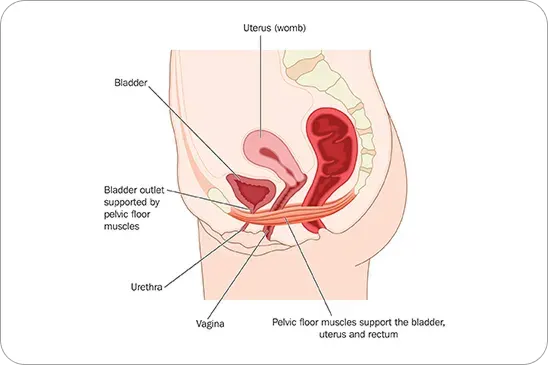
Remember, in case of any concerns regarding bladder weakness, to visit your GP as first step.
Stress Incontinence is the most common type of female bladder leakage. When pressure is exerted on the bladder, urine is involuntarily released, leaving you damp. Sneezing, coughing, laughing, lifting heavy objects and exercise are the most likely activities to cause stress incontinence and urine leakage.

Stress incontinence is caused by a weakened pelvic floor – the system of muscles, nerves and ligaments that support the bladder and urethra. A woman’s body goes through many things throughout her lifetime. However, many of them, like pregnancy and childbirth, strain the pelvic floor, and may result in it being weakened. Weight gain and the hormonal changes of menopause can also contribute to this type of bladder leakage.
Treatment of stress incontinence:
-
Pelvic floor exercises Performing Kegel exercises strengthens the pelvic floor muscles, so they are better able to hold in urine and prevent bladder leakage in women. Read our article here all about pelvic floor exercises.
-
Weight loss Excess weight puts a strain on the pelvic floor, which makes it weaker. Losing excess weight can help ease stress incontinence stress incontinence. This doesn’t call for anything drastic. Something as simple as incorporating a morning or evening walk into your daily routine can reduce bladder leakage
-
Get regular Having regular bowel movements eliminates extra and unnecessary pressure on your bladder. To stay regular, be sure to eat lots of fibre. Try eating prunes as snacks for an overactive bladder treatment that is sweet to eat and delivers an extra boost to get your system moving. This should help to reduce the frequency of urine leakages.
-
Stop smoking Smoking often leads to chronic coughing, also known as smokers’ cough. Coughing puts a strain on the pelvic floor and can aggravate your bladder muscles, leading to bladder leakage. Each time you cough, it can trigger little urine leakages. Leading a healthy lifestyle will alleviate symptoms of stress incontinence.
Urge Incontinence
Urge Incontinence, also known as overactive bladder, is characterised by a strong and sudden urge to urinate that often results in leaking a significant amount of urine. There can often be such urgency to urinate that women don’t make it to the toilet in time and experience a gush of urine. People with urge incontinence may find themselves running to the loo many times during the day, and also often wake up in the middle of the night to go as well.
Urge incontinence is caused by nerve or muscle dysfunction in the bladder wall and the surrounding tissues. This creates spasms in the bladder wall, inducing a continuous and uncomfortable urge to urinate. Malfunction in other parts of the nervous system can also play a part, especially when there’s a glitch in the communication between the bladder and the brain signalling the right time to go. Conditions such as multiple sclerosis, Parkinson’s disease, diabetes, and stroke can cause damage that leads to urge incontinence. Some medications can also play a role.
Treatment of urge incontinence:
-
Adopt a bladder-healthy diet Certain foods can irritate your bladder. Avoid caffeine, alcohol, spicy foods, and fizzy beverages.
-
Get on a schedule Train your bladder by making a ‘go schedule’ in which you use the toilet on a fixed schedule – say, every hour at first – whether or not you feel the urge to urinate. Once you feel comfortable with your schedule, try increasing the amount of time between each scheduled toilet trip. Not only will this help to retrain your bladder, it can also reduce the urgency you feel when you have to urinate.
-
Stay hydrated Although it may seem counterintuitive, it is important to drink water if you have urge incontinence. The high acidity of over-concentrated urine can aggravate your bladder, making your condition worse. Drink plenty of water to keep your urine dilute. You’ll know you’re getting it right when your urine is pale yellow or clear.
-
Take medication If you have tried the above remedies without much success, it may be time to talk to your doctor about going on medication to help ease the symptoms of urge incontinence . Also, remember that any medications used for treating urinary incontinence should only be taken after consulting a doctor. Avoid introducing or modifying pharmacological therapy without specialist guidance to prevent potential side effects.
Overflow Incontinence
Overflow Incontinence is the result of not being able to completely empty the bladder, leading to moments of bladder leakage throughout the day. For women with overflow incontinence, the bladder never fully empties, leaving some urine in the bladder. This can increase your likelihood of urinary tract infections. This type of bladder leakage usually happens as a result of a blockage or weak bladder muscles that prevent the bladder from fully emptying or from signalling that it is full. Overflow incontinence is the only type of urinary incontinence that is more common in men than in women, although women can still have it. In women, weak bladder muscles, a blocked urethra, pelvic organ prolapse, scar tissue or kidney stones can cause overflow incontinence.
Treatment of overflow incontinence:
Treating overflow incontinence may involve catheterisation or surgical interventions; such steps should be considered after thorough specialist consultation. A specialist will assess the causes and suggest personalised solutions suited to your needs.
How to prevent bladder leakage in women?
Preventing bladder leakage begins with simple daily habits that can bring significant benefits: Regular pelvic muscle training (known as Kegel training) strengthens the body and improves bladder control. Consistency and proper technique—preferably under the guidance of a physical therapist—can greatly enhance the quality of life. A balanced diet that supports maintaining an optimal weight reduces pressure on the bladder. Despite seeming paradoxical, adequate water intake is essential. This is because dehydration increases the risk of urinary tract infections, which can exacerbate incontinence issues.


